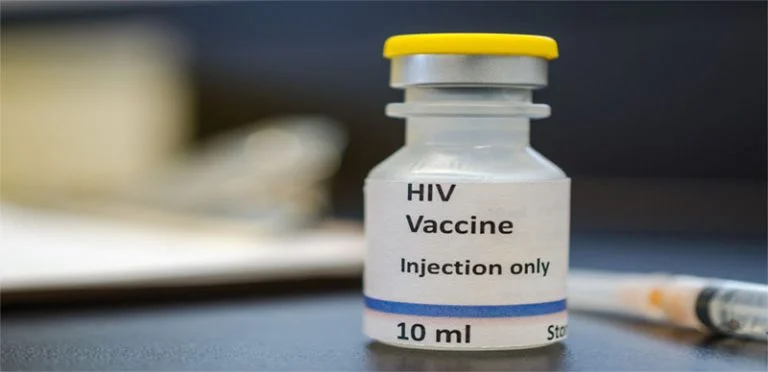
South Africa, Eswatini and Zambia on Monday commenced the public rollout of a groundbreaking HIV-prevention injection, marking a significant step forward in the fight against the virus in regions with some of the highest infection rates globally.
The injectable drug, Lenacapavir, administered twice yearly, has demonstrated over 99.9% effectiveness in reducing the risk of HIV transmission—positioning it as one of the most promising medical breakthroughs in HIV prevention to date.
In South Africa, where nearly one in five adults lives with HIV, a Wits University research team supervised the public introduction of the drug as part of an initiative funded by Unitaid, a United Nations health agency.
According to a statement released by Unitaid, “the first individuals have begun using lenacapavir for HIV prevention in South Africa,” marking the early stages of real-world application of the six-month injectable across low- and middle-income countries.
While Unitaid did not disclose the number of initial recipients, it confirmed that the broader national rollout is expected to expand significantly next year. In the United States, lenacapavir costs $28,000 per person annually, raising concerns about affordability in Africa.
Zambia and Eswatini Also Begin Administration
Zambia and Eswatini, which received 1,000 doses each through a U.S.-supported programme last month, were scheduled to officially launch the injection during World AIDS Day activities on Monday.
Under the access programme, manufacturer Gilead Sciences has agreed to provide lenacapavir at no profit to two million people in high-burden countries over the next three years. However, health advocates argue that the supply falls short of the millions more who urgently need protection.
UNAIDS 2024 data shows that Eastern and Southern Africa account for 52% of the world’s 40.8 million people living with HIV, making access to effective prevention tools critical.
To address long-term affordability, Unitaid and the Gates Foundation have partnered with Indian pharmaceutical firms to produce generic versions of lenacapavir. These are expected to become available in over 100 countries by 2027, with an estimated annual cost of around $40, potentially transforming global access.
For more than a decade, daily oral Pre-Exposure Prophylaxis (PrEP) has been widely used for HIV prevention, but adherence challenges have limited its overall impact. Experts hope that a twice-yearly injectable alternative will dramatically improve uptake and effectiveness across vulnerable populations.
About the Author