
Introduction
Ebonyi State, fondly known as the “Salt of the Nation,” is a landlocked state located in the southeastern region of Nigeria. Created on October 1, 1996, by the military regime of General Sani Abacha, it emerged from parts of the old Abakaliki Division of Enugu State and the Afikpo Division of Abia State. Since its creation, Ebonyi has recorded significant developmental strides in infrastructure, healthcare, education, and agriculture. The state capital is Abakaliki, a fast-growing urban center known for its neat streets, bustling markets, and administrative importance.
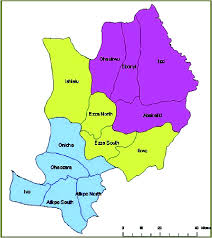
Table of Contents
Historical Background of Ebonyi State
Before 1996, the present-day Ebonyi region was marginalized in terms of development. Communities in the Abakaliki and Afikpo Divisions often faced neglect from their parent states. The creation of Ebonyi State addressed this disparity and brought governance closer to the people. The state started with a mix of local council areas inherited from Enugu and Abia States, with an initial structure of 23 local government areas (LGAs).
Constitutional Realignment From 23 to 13 LGAs:
Upon its creation, Ebonyi had 23 LGAs. However, the 1999 Constitution of the Federal Republic of Nigeria recognizes only 774 LGAs across the country, and Ebonyi was officially allocated 13 LGAs. The other 10 were Local Council Development Areas (LCDAs) created at the state level to enhance grassroots administration.
To comply with constitutional provisions and streamline federal allocations, the 10 LCDAs were merged back into the 13 constitutionally recognized LGAs. Today, Ebonyi functions administratively with these 13 LGAs while maintaining 64 Development Centres for grassroots governance.
The 13 Constitutionally Recognized LGAs in Ebonyi State and their Headquatres
- Abakaliki Nkaliki
- Afikpo North Afikpo
- Afikpo South Nguzu Edda
- Ebonyi Ugbodo
- Ezza North Onueke
- Ezza South Ebeaji
- Ikwo Onu-Ebonyi Achara
- Ishielu Ezillo
- Ivo Isiako
- Izzi Iboko
- Ohaozara Obiozarra
- Ohaukwu Ezzamgbo
- Onicha Isu
The de-recognized LGAs or LCDAs such as Ezzagu, Ntezi, Effium, Ukawu, and Uburu were reabsorbed as districts or development centres within the existing LGAs.
Governance: Past and Present Leaders
Ebonyi State has transitioned from military to democratic governance since its creation. Below is a chronological list of its past and current leaders:
| Governor | Position | Tenure |
| Cdr Walter Feghabo | Military Administrator | 1996 – 1999 |
| Dr. Sam Egwu | Civilian Governor (PDP) | 1999 – 2007 |
| Chief Martin Elechi | Civilian Governor (PDP) | 2007 – 2015 |
| Engr. David Umahi | Civilian Governor (PDP/APC) | 2015 – 2023 |
| Rt. Hon. Francis Ogbonna Nwifuru | Civilian Governor (APC) | 2023 – Present |
Tourist Attractions in Ebonyi State
Despite being a relatively young state, Ebonyi has a growing tourism sector with numerous attractions:
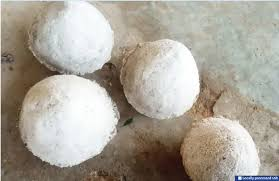
- Okposi Salt Lake: Known for its ancient salt mining traditions, it’s a historical and economic site.
- Uburu Salt Lake: Similar to Okposi, this lake showcases traditional salt extraction methods still practiced today.
- Amanchor Cave, Afikpo: A natural cave with cultural significance and historical relevance.
- Ndibe Sand Beach: A relaxing and scenic riverside beach in Afikpo North.
- Amasiri Waterfall: A captivating waterfall located in Amasiri, ideal for eco-tourism.
- Ishiagu Pottery Works: This location is famous for traditional clay pottery, reflecting the art and culture of the Ivo people.
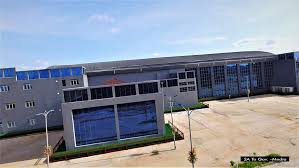
- Ebonyi Ecumenical Centre: Located in Abakaliki, it is one of the largest worship auditoriums in Nigeria built during the Eng. Dave Umahi administration.
Natural and Mineral Resources
Ebonyi State is endowed with a wealth of untapped mineral resources, positioning it as a potential industrial hub in Nigeria. Some of the key minerals found in the state include:
| Mineral Resource | Locations in Ebonyi |
| Salt | Okposi, Uburu, Ishielu |
| Lead | Ishiagu, Enyigba |
| Zinc | Ishiagu and surrounding areas |
| Limestone | Nkalagu, Ivo |
| Marble | Afikpo region |
| Kaolin & Ball Clay | Afikpo South, Abakaliki |
| Granite | Ohaukwu, Izzi |
| Gypsum | Commercially viable but underexplored |
| Natural Gas | Yet to be fully exploited |
These mineral deposits have spurred the growth of small-scale mining and agro-processing industries in the state. The presence of limestone in particular has encouraged the development of cement manufacturing. Ebonyi State derived her slogan “Salt of the Nation” from the massive salt deposit and for the impression of the biblical value of salt. Ebonyi state is still one of the few states where deep cultural heritage, good morals, respect for strangers “obia” and traditional practices are preserved.
Cultural and Socio-Economic Landscape
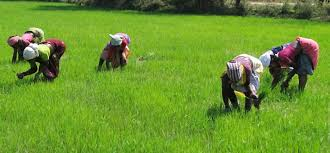
The people of Ebonyi are predominantly Igbo and are known for their industriousness and resilience. Agriculture is the mainstay of the economy, with rice, yam, cassava, and maize being major crops. Ebonyi is regarded as one of Nigeria’s top rice-producing states, thanks to the large-scale mechanized rice mills in Abakaliki.
Education and healthcare have also seen massive improvements, with state universities, polytechnics, and general hospitals experiencing infrastructural upgrades under successive administrations.
Ebonyi State, despite its relatively recent creation, has grown to become a symbol of resilience, enterprise, and development. With only 13 constitutionally recognized LGAs, a rich deposit of natural resources, vibrant tourism sites, and a solid governance structure, the state continues to rise as a beacon of progress in southeastern Nigeria.
Whether you are a tourist, investor, historian, or researcher, Ebonyi State offers untapped opportunities and cultural wealth waiting to be explored.
Follow us on Facebok
Explore other Ebonyi State News here
